When I started working in an archive, I had a vague vision of what that would look like. Mostly, it involved carefully handling rare, centuries old books, painstakingly cataloging collections, and rehousing the materials in fancy grey acid free boxes. I didn’t expect to become a photography detective. But over the past three months, that’s exactly what I’ve been doing.
Let me start at the beginning. I was hired to be the graduate assistant in the Albin O. Kuhn Special Collections and Archives a year ago, upon my acceptance into the graduate program to study history. I started in August, and spent the first few months training and acclimating to the new position. At the end of October, I got my first long-term assignment, working with the curator and head of the department on their project.
The year prior was the fiftieth anniversary of our photography collection, and in the fall of 2024, they had put on an exhibit in our gallery showcasing the collection. The project was to turn that exhibition into an exhibit catalogue — a type of art book which contains all the objects from the exhibition and their context. For me, this meant pulling all the photographs which were showcased for digitization and measurement.
Over the next four months, I went through the process of locating individual photographs in our collection of over two million. Using our database records, I found their shelf location, removed them from the box, measured the sheet and the image, and set them aside for digitizing, before reshelving them in their permanent home. Over that time, more photographs got added to the project, making this a continual cycle, until finally, in late February, we got to our final image set of over two hundred fifty.
As simple as the process seems, it required meticulousness to ensure the correct items were being removed, and that they were returned to their proper location. In some cases, even the first step of pulling the photograph wasn’t straightforward. A very simple problem-solution set, paired without updating a small detail in the record, can make items much more difficult to find. For example, many of the photographs I couldn’t initially find had been relocated due to size. For the exhibition, they’d been placed into mats, making them larger than the original box they were housed in. When they were reshelved, they had to be moved to a larger box, and sometimes this move got missed in updated records. A few of them even came from unprocessed collections, meaning there was no detailed record of them in the first place!
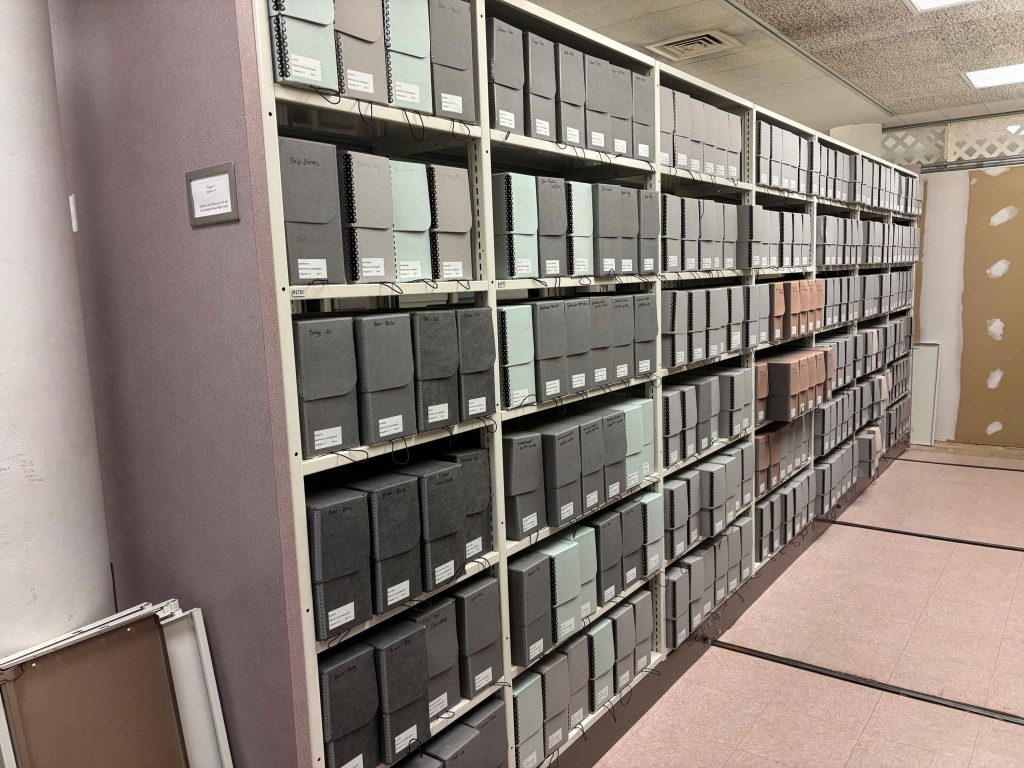
These miniscule adjustments created a series of miniature mysteries for me to solve. At the end of January, once I’d gone through the entire image set and collected all the photographs, I was left with a stack of images I couldn’t find on the first pass. Double checking the information on the call slips against the information in our online databases quickly helped me find several photographs, which had typos in the original call number or location on my first search. For others, I searched in boxes by photographer last name, or photographic process.
Eventually, I was left with half a dozen or so odd cases, photographs which were decidedly not in their listed location, but which didn’t have an obvious resolution. Luckily, I had time on my side. These photos didn’t need to be pulled quickly – they needed to be tracked down and recovered through the kind of patient, precise detective work that archival research often requires and caring for a collection demands. I rolled my sleeves up, pulled on my gloves, and got to work. Using the information I had about the photograph as clues, I searched full boxes until, one by one, I found what I needed.
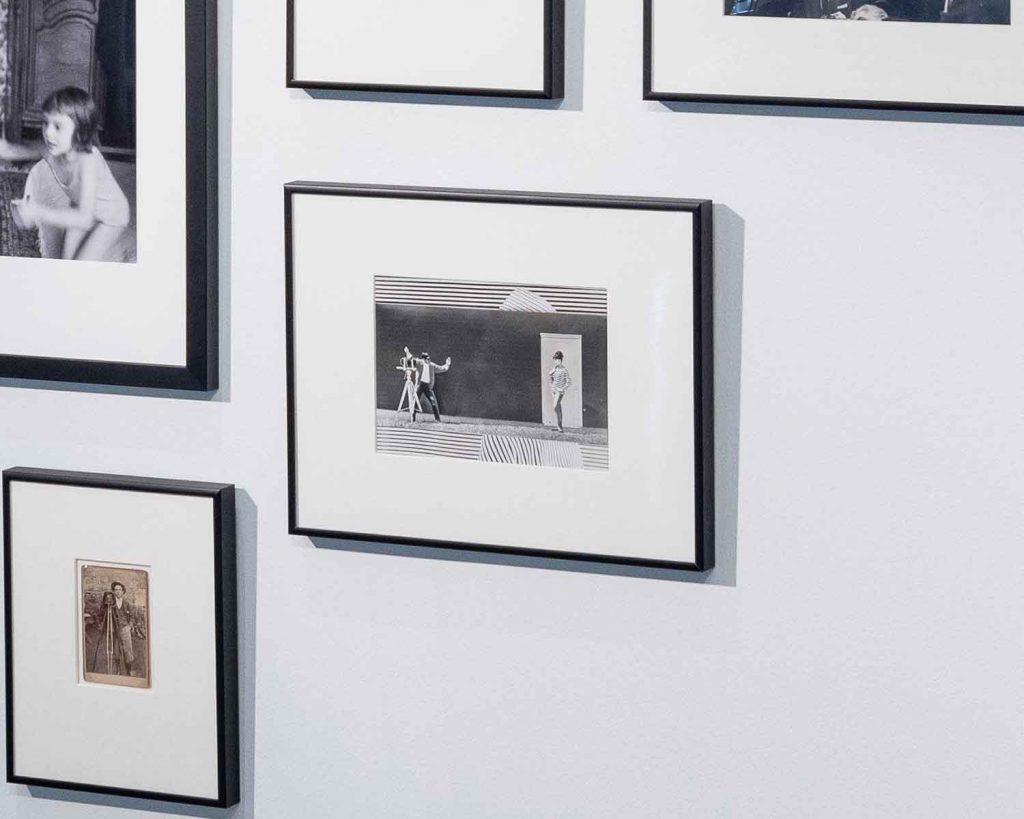
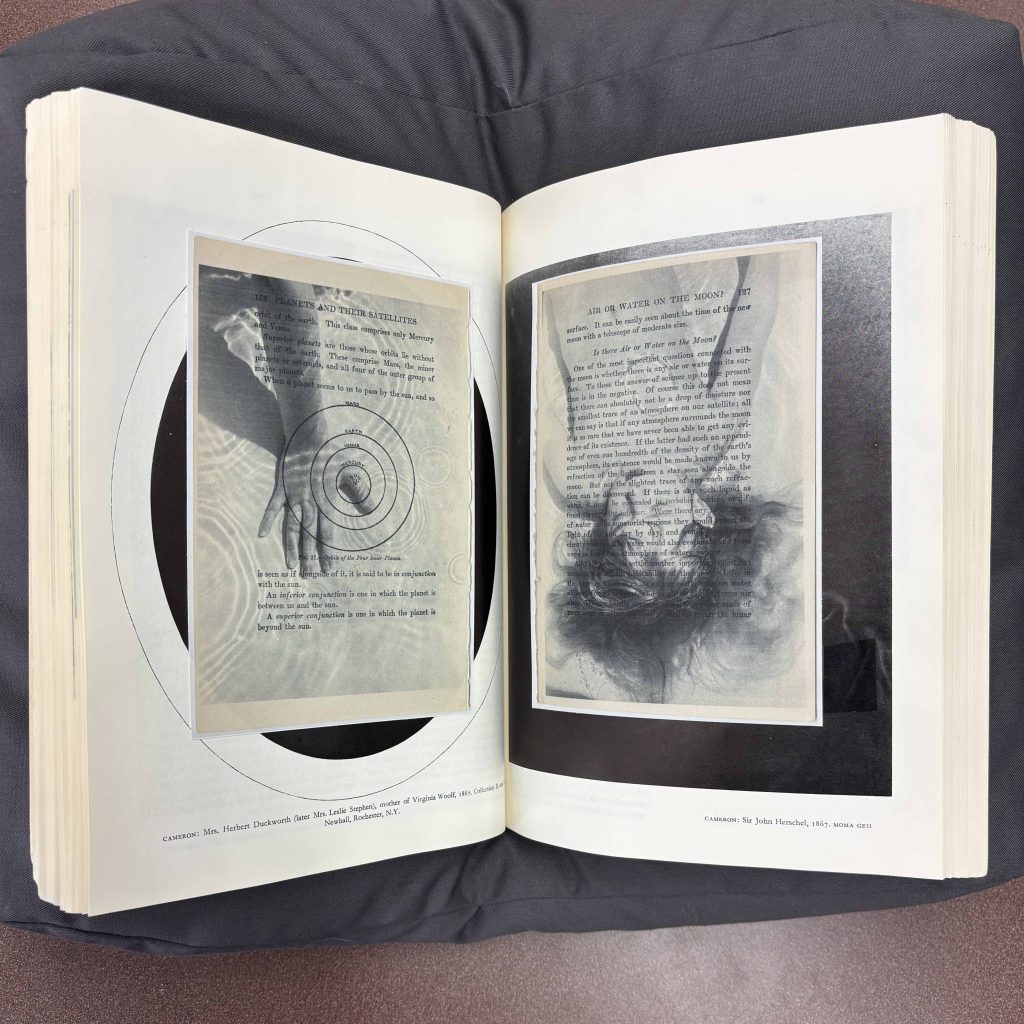
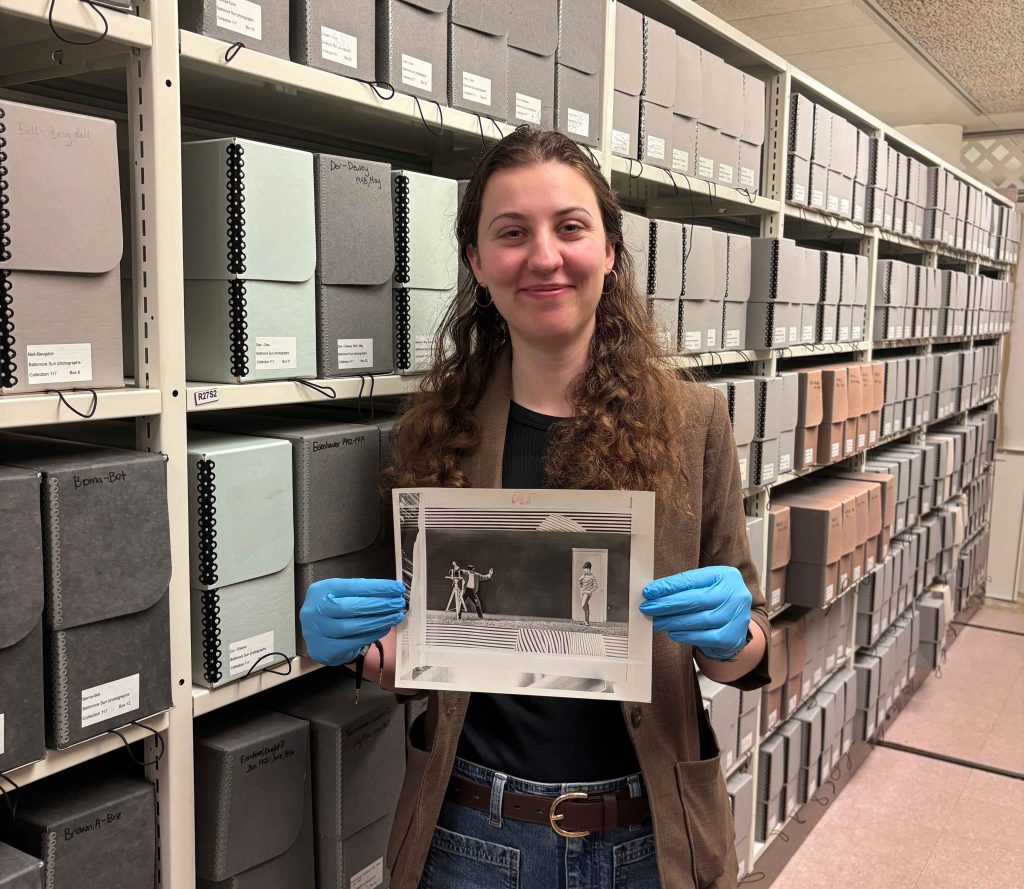
After about a month of this meticulous, slow search, I’d found all but one photograph, and everyone in the archive knew it was going to be the most difficult to track down. The photo had come from our collection of prints and negatives from the Baltimore Sun, a sweeping collection of more than three hundred boxes. The prints we have are arranged by subject, not by date or photographer, and for many of them, we have very little identifying information. Such was the case for this one: all we had was a title, (potentially created by the curator for the exhibition,) the photograph measurements, and a few blurry pictures of it in the exhibition.
This is where my detective work really came into play. Applying the few clues I had to my growing knowledge of our photography collection, I searched almost two dozen boxes in search of this photograph. Knowing the photo had been matted for the exhibition, I began with our photography collection, guessing it had been reshelved there after the exhibition. The photographer wasn’t identified: I searched the four “photographer unknown” boxes we have, with no results. Knowing the photograph was from the Baltimore Sun, I searched the two boxes of our Baltimore collection: nothing. In the exhibition spreadsheet, it was tagged as “Baltimore Camera Club,” but it wasn’t in our boxes for that collection either. Within the Baltimore Sun boxes, I searched by subject, based on the data I had and on what I was seeing in the images I’d been sent: “Fashion,” “Model,” “Swimsuit,” “Bathing Suits,” “Baltimore Camera Club,” and so on. By this point, I’d recruited most of the department into brainstorming ideas, and was actively encouraging people to think outside the box on where it could be. But after a few weeks of this, I’d still not been able to locate the photograph, and I was ready to give up.
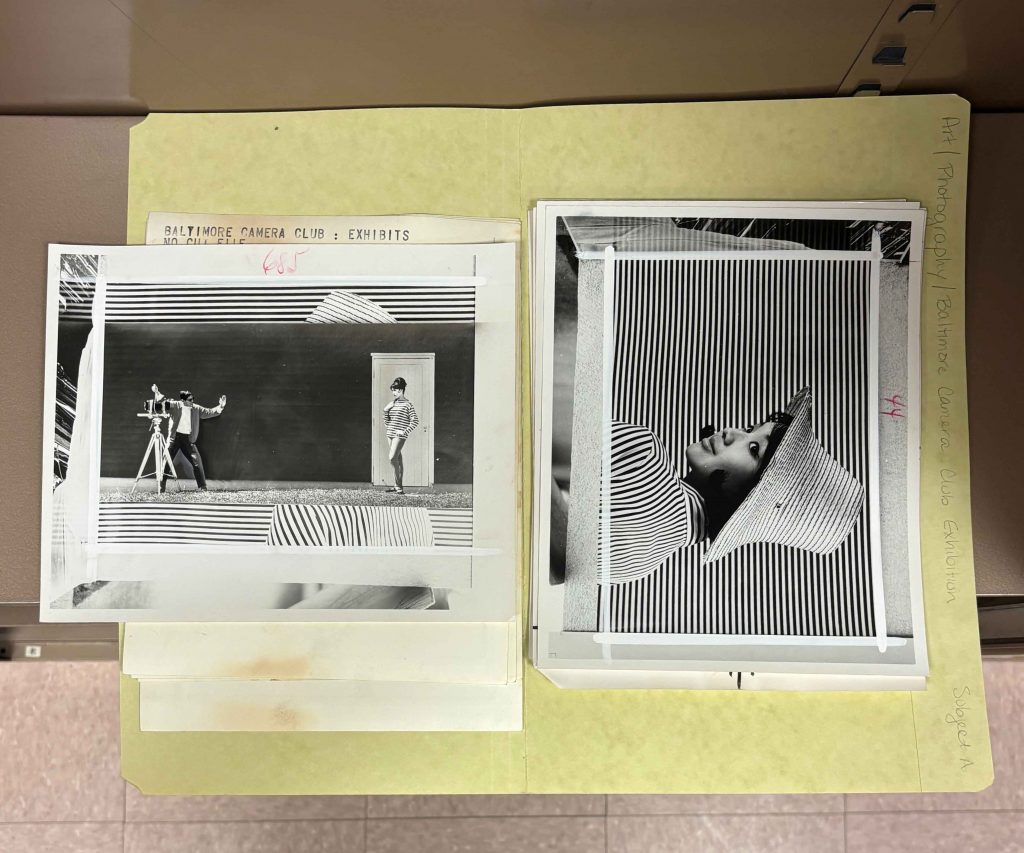
In a last ditch effort, I decided to really think outside the box, and searched in the box titled “Art.” In that box, I found a folder titled “Art/Photography,” with a subfolder for “Art/Photography/Baltimore Camera Club Exhibition.” My heart jumped; this felt like the breakthrough I’d been waiting for. About twenty images in, suddenly, I saw those recognizable stripes and figures I had been looking for since October. Months of small clues, dead ends, and careful checking had finally come to an end. It was hard to contain my pride and satisfaction — I may have done a Tiger Woods-style fist pump. There’s a particular joy in archival work when patience and persistence pay off like that, a quiet thrill in realizing that a piece of the collection that once seemed lost had simply been waiting in the right place to be found again.
As I continue to learn on the job, I gain new insights to a career in the archives every day. One of the biggest things I’ve learned so far is that we live in an imperfect world. Archivists love order, but try as we might, we can’t control everything, and unfortunately, things like dust, age, and human error can cause real problems. But this doesn’t mean that we should just give up, or stop trying. Instead, it’s even more important to think creatively and approach problems from multiple perspectives. When faced with road blocks, use the information you have, and the people around you, to find a new path to the destination you aim to get. Persistence and optimism will take you far!
And so, for now, that’s my life in the archive: part preservationist, part cataloger, and occasionally, part detective. Each box and folder holds its own small mysteries, and every solved puzzle feels like restoring a tiny piece of the historical record. While I may still spend plenty of time rehousing materials in those familiar grey boxes, I’ve learned that archival work is just as much about curiosity and persistence as it is about order and organization. The search for a missing photograph might seem small, but moments like that are a reminder of why the work matters: because every item we preserve, find, and make accessible helps ensure that the stories contained in the archive continue to be seen and understood.
This post was written by Reese Finnigan, Special Collections graduate assistant and MA student in the department of History at UMBC. Thank you, Reese!